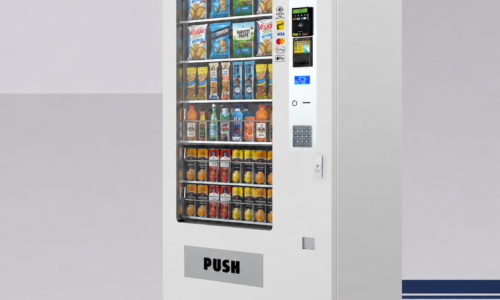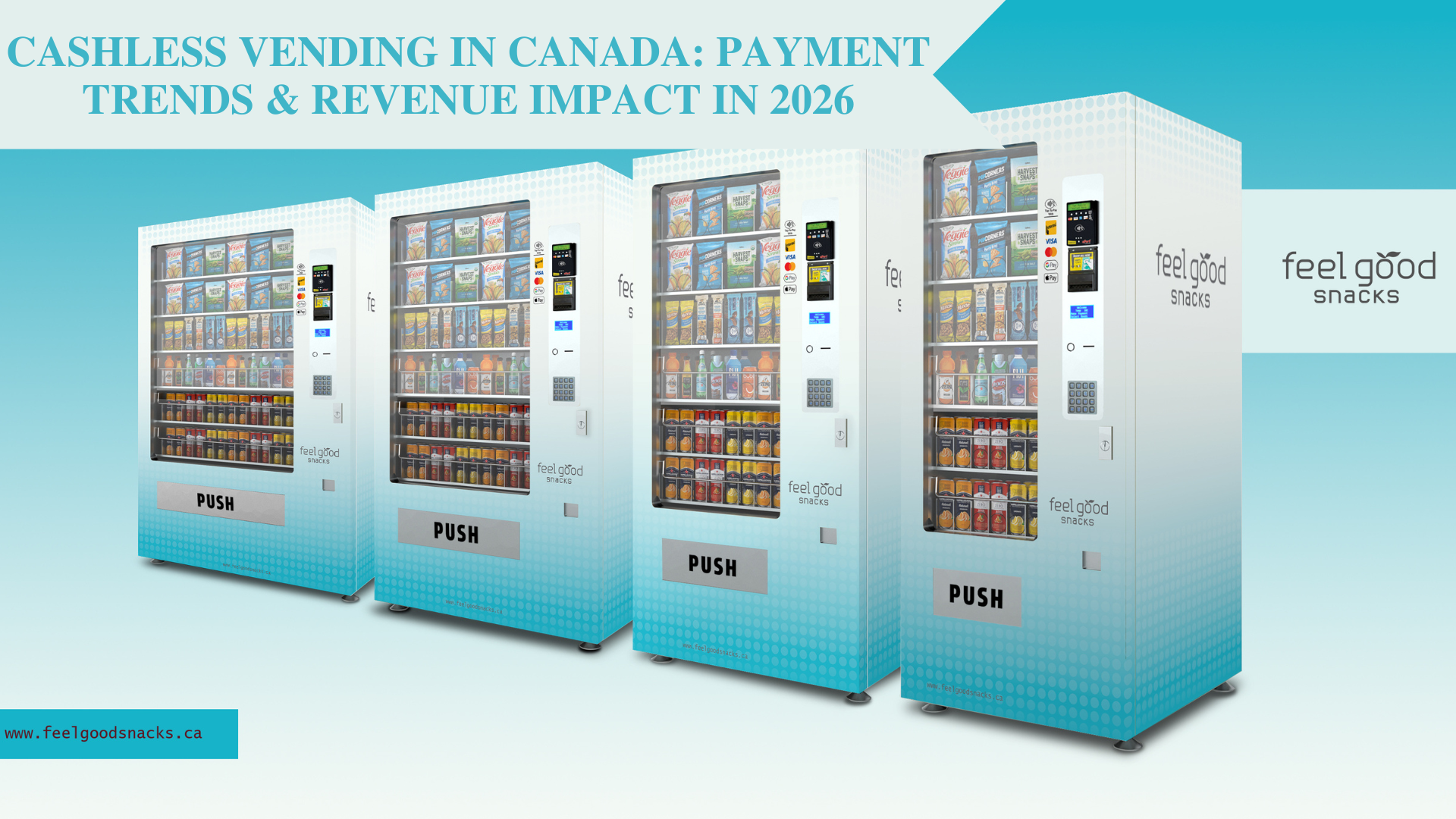
The vending industry in Canada is rapidly shifting toward cashless technology. As consumer payment behavior evolves, distributeurs automatiques that rely solely on coins are becoming outdated.
In 2026, cashless vending machines are no longer optional — they are a competitive advantage.
This guide explores payment trends in Canada, how cashless vending impacts revenue, and what businesses should consider before investing in modern vending machines.
Why Cashless Payments Matter in Canada
Canadian consumers increasingly rely on:
- Tap-to-pay credit and debit cards
- Mobile wallets (Apple Pay, Google Pay)
- Contactless transactions
- Digital payment ecosystems
Coin-only machines restrict purchase behavior. Many customers simply do not carry cash.
By enabling cashless transactions, vending machines remove friction and increase impulse buying.
Explore modern machines distributrices à vendre au Canada
How Cashless Vending Machines Increase Revenue
Several performance drivers explain the revenue lift.
1. Higher Average Transaction Value
Customers paying by card are more likely to:
- Purchase multiple items
- Select higher-priced products
- Make impulse upgrades
Cashless systems remove the constraint of exact change.
2. Reduced Lost Sales
Coin-only machines lose sales when:
- Customers lack change
- Machines reject coins
- Coin slots malfunction
Cashless systems reduce these friction points.
3. Increased Customer Convenience
Office employees, gym members, and healthcare staff increasingly expect tap payments.
Convenience drives repeat purchases.
Review available distributeurs automatiques au Canada equipped with modern payment systems:
Telemetry & Smart Payment Integration
Cashless systems are often bundled with telemetry software that provides:
- Real-time sales data
- Inventory tracking
- Low-stock alerts
- Remote price updates
- Performance dashboards
This transforms vending from a passive machine into a data-driven retail channel.
Operators who integrate smart payment systems gain operational insights that improve:
- Sélection de produits
- Restocking efficiency
- Pricing optimization
Security & Fraud Prevention
Modern cashless systems reduce:
- Cash theft
- Coin jam issues
- Internal shrinkage
Digital transactions provide transparent reporting and secure payment processing.
This reduces operational risk for property managers and business owners.
Cashless vs Coin-Only: Performance Comparison
Coin-only machines:
- Lower average transaction value
- Higher maintenance issues
- Reduced customer convenience
Cashless-enabled machines:
- Potentiel de revenus plus élevé
- Better inventory management
- Data-driven optimization
- Improved customer satisfaction
In most Canadian commercial environments, cashless machines outperform coin-only units.
Ideal Locations for Cashless Vending in Canada
Cashless vending performs especially well in:
- Corporate offices
- Hôpitaux
- Universités
- Residential towers
- Fitness centers
- Co-working spaces
These environments prioritize convenience and digital payment adoption.
ROI Considerations
While cashless systems may slightly increase initial investment cost, the long-term ROI often justifies the expense.
Factors contributing to ROI:
- Increased transaction volume
- Higher per-purchase spend
- Temps d'arrêt réduit
- Lower cash handling risk
Compliance and Payment Processing in Canada
Cashless systems must comply with:
- Canadian payment regulations
- PCI security standards
- Data privacy laws
Reputable vending machine suppliers ensure systems meet regulatory requirements.
Hybrid Systems: Best of Both Worlds
Many modern machines support:
- Coin
- Card
- Tap
- Mobile wallet
Hybrid capability ensures accessibility for all users while maximizing digital convenience.
The Future of Vending in Canada
As AI-driven search and digital ecosystems expand, vending machines are becoming smarter retail endpoints. Future trends include:
- Digital promotions
- Dynamic pricing
- Loyalty integrations
- Real-time analytics
- AI-driven restocking optimization
Businesses investing in cashless systems today are positioning themselves for long-term competitive advantage.
Dernières réflexions
Cashless distributeurs automatiques au Canada are no longer a luxury feature — they are essential for maximizing revenue and customer convenience.
Businesses that adopt modern payment systems benefit from:
- Higher average transaction values
- Reduced friction
- Better data insights
- Lower operational risk
- Improved scalability
If you’re evaluating vending machines for sale in Canada, prioritize smart, cashless-enabled systems to future-proof your investment.
Foire aux questions
Do cashless vending machines increase sales?
Yes. Cashless systems remove friction, increase impulse purchases, and often raise average transaction value.
Are cashless vending machines more expensive?
They may have slightly higher upfront costs, but increased revenue often offsets the difference.
Can distributeurs automatiques accept tap-to-pay in Canada?
Yes. Most modern vending machines support contactless card payments and mobile wallets.
Do cashless systems reduce theft?
Yes. Reduced cash handling lowers theft risk and improves reporting transparency.
Should I choose hybrid or fully cashless machines?
Hybrid systems are often recommended to maximize accessibility and revenue potential.